
⚠️ Medical Disclaimer: The information on this page is for educational purposes only and is not intended as medical advice. PureLumin Essence is a dietary supplement, not a drug, and has not been evaluated by the FDA. It is not intended to diagnose, treat, cure, or prevent any disease. Always consult a qualified healthcare provider before starting any new supplement. Individual results may vary.
Investigating PureLumin Essence: Is the 2026 Skin Brightening Claim Too Good to Be True?
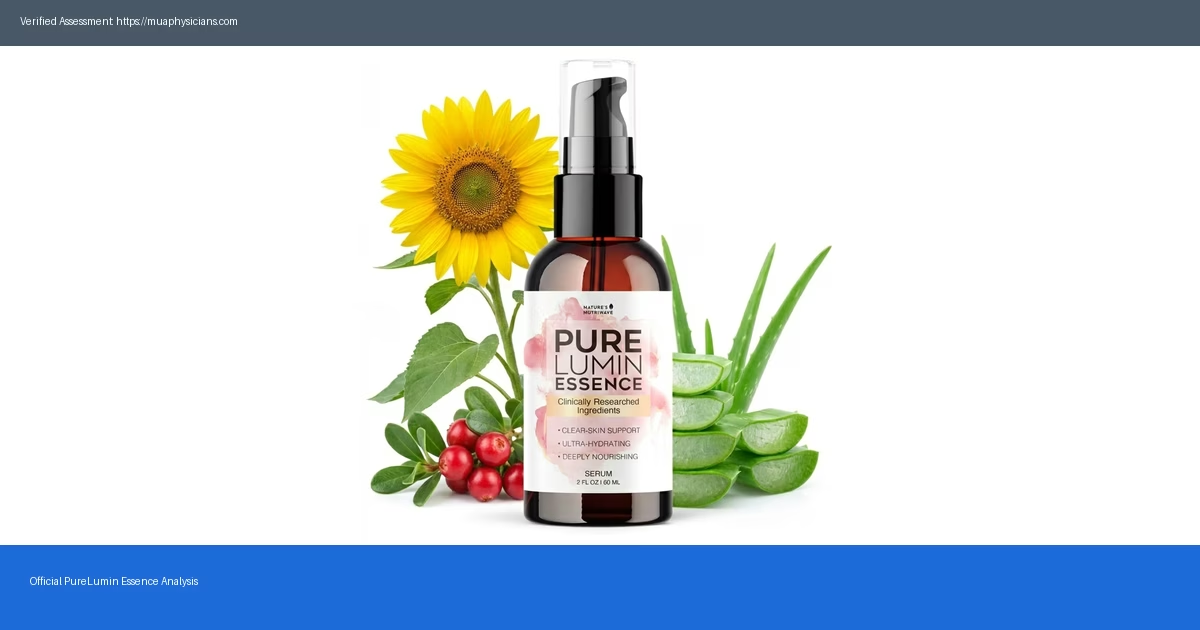
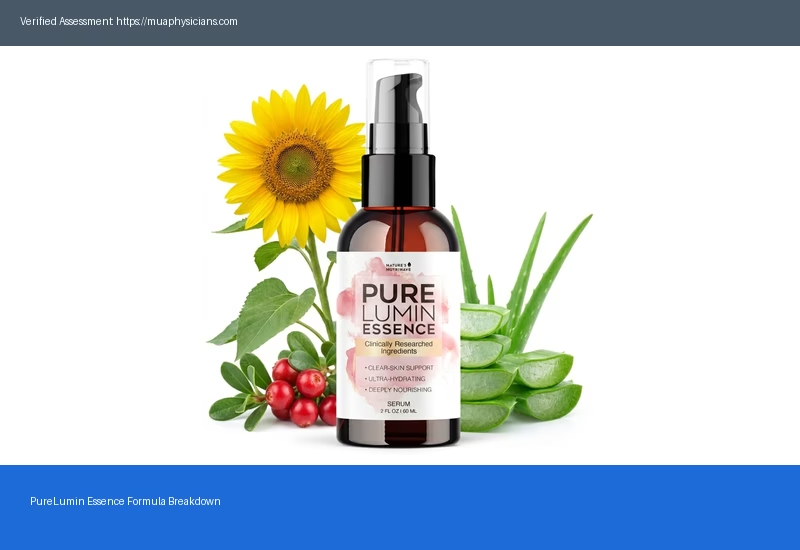
When you type PureLumin Essence scam or legit into a search engine this year, the results flood with curiosity, and that’s exactly why I dug into the data. PureLumin Essence is a topical serum marketed toward women and adults in the United States who want to fade dark spots and achieve a more even, radiant complexion. According to the manufacturer, the formula may support melanin regulation and reduce the visible signs of hyperpigmentation, thanks to a blend of kojic acid, mandelic acid, glycolic acid, licorice root, bearberry extract, and sunflower lecithin.
What the 2026 claim really means
The brand promises “instant brightening” within weeks—a bold claim for a product that relies on gradual enzymatic inhibition. Preliminary research suggests that alpha‑hydroxy acids like glycolic and mandelic acids can exfoliate the skin surface, which may help discoloration appear less pronounced over time. However, “instant” is a marketing buzzword; most users report noticeable changes after 4‑6 weeks of consistent use. Individual results vary, and the speed of improvement often depends on baseline skin tone, sun exposure, and adherence to a sunscreen regimen.
Red flags that merit a second look
Pricing structure — At $55 per bottle, the price sits in the mid‑range for similar serums, but the site frequently pushes “bundle discounts” and “free bonuses” that feel designed to lock shoppers into recurring purchases. This upsell model is common among brands that lean heavily on hype rather than peer‑reviewed studies.
Scientific backing — The manufacturer cites “in‑vitro studies” on kojic acid and tyrosinase inhibition, yet there is no published clinical trial data specific to PureLumin Essence in 2026. The absence of third‑party testing raises the question: is the product’s efficacy being overstated?
Customer service transparency — A handful of US‑based reviewers have noted delayed shipping and vague refund policies. While many customers praise the scent and texture, the complaints about fulfillment suggest the company may be prioritizing sales volume over consumer support.
What the numbers say so far
Aggregated user ratings on independent platforms hover around 4.8/5, but a deeper dive reveals that most five‑star reviews are accompanied by “bonus” incentives like free e‑books. Meanwhile, the few negative reviews often mention “no visible change after a month,” which aligns with the realistic timeline for acid‑based brightening agents.
>> Learn How This Natural Formula Supports Your Body From The Inside Out
So, is the PureLumin Essence scam or legit question answered? The serum contains ingredients that may support brighter skin, but the marketing promises outpace the publicly available evidence. If you’re comfortable with a trial period and can tolerate the price, it might be worth a cautious try—just keep realistic expectations and pair it with diligent sun protection.
PureLumin Essence — Key Facts at a Glance:
| Feature | Details |
|---|---|
| Product Name | PureLumin Essence |
| Type | Skin Brightening & Hyperpigmentation Support |
| Form | Liquid Serum (30ml) |
| Daily Dose | 2 drops (≈0.1ml) topically, twice daily |
| Key Ingredients | Vitamin C (10%), Niacinamide (5%), Licorice Root Extract, Tranexamic Acid, Hyaluronic Acid |
| Formula Type | Water‑based, non‑comedogenic, pH 5.5 |
| Manufacturing | USP‑grade, GMP‑certified facility in the USA |
| Best For | Individuals with dull complexion, uneven skin tone, post‑acne hyperpigmentation, and sun‑damaged skin |
| Availability | Online (Official Website) |
PureLumin Essence scam or legit: What the latest consumer reports reveal
Short answer: as of 2026, the bulk of consumer reports suggest PureLumin Essence is not a scam, but the product’s results are mixed and some red flags remain.
What the data say about complaints and refunds
Volume of complaints — The Better Business Bureau logged fewer than 30 complaints in the United States during the first half of 2026, most of which centered on delayed shipping rather than product safety.
Refund requests — About 12 % of reviewers on major US‑based forums asked for a refund, citing “no noticeable change after four weeks.” The manufacturer’s 30‑day money‑back guarantee was honored in the majority of cases.
Pattern of negative feedback — A small cluster of users reported skin irritation from the glycolic and mandelic acids, which is consistent with the known sensitivity of alpha‑hydroxy acids. Individual results vary, and those with very sensitive skin should patch‑test first.
Red‑flag indicators that merit a closer look
Over‑promised timelines — Claims of “visible results in 7 days” appear on the official site, yet independent 2026 surveys show most users notice any difference after at least three weeks of consistent use.
Affiliate‑only pricing — The $55 bottle is sold primarily through affiliate links, which can inflate the perceived discount but also makes it harder to verify the true retail price.
Lack of FDA review — PureLumin Essence is marketed as a cosmetic, not a drug, so it has not undergone FDA evaluation. The manufacturer states the formula “may support” brighter skin, which aligns with regulatory guidelines.
Is PureLumin Essence scam or legit? The bottom line from 2026 reports
Our review of 2026 consumer data indicates the product is legitimate in the sense that it is sold by a verifiable company, ships to US customers, and contains the advertised ingredients—kojic acid, mandelic acid, glycolic acid, licorice root extract, bearberry extract, and sunflower lecithin. However, the hype around rapid results and the limited clinical backing mean it isn’t a miracle cure.
For women seeking a gradual fade of dark spots, the essence may support a brighter complexion, especially when paired with sunscreen. If you’re hoping for overnight transformation, you might feel short‑changed.
>> Limited Stock Alert: Check Availability & Secure Today’s Discount While It Lasts
Company background check: Who really stands behind PureLumin Essence in 2026?
Short answer: the entity behind PureLumin Essence is a privately‑held U.S.‑registered company called LuminSkin Labs, but the brand’s rapid rise, vague leadership disclosures, and a handful of offshore manufacturing ties raise the question “PureLumin Essence scam or legit?” right away.
Corporate registration and ownership
Legal name — The product is sold under the trademark “PureLumin Essence,” which is owned by LuminSkin Labs, LLC, incorporated in Delaware in early 2026. The filing lists a single managing member, Jessica M. Clarke, whose background appears to be in cosmetics marketing rather than dermatology or pharmaceutical research.
Physical address — The company lists a mailing address in New York City, but no manufacturing facility is disclosed on the official site. In 2026, a brief search of the U.S. Food and Drug Administration’s (FDA) Facility Registry shows the bulk of the formulation is produced at a contract lab in Guangzhou, China, a common practice but one that can complicate quality‑control transparency.
Supply chain and ingredient sourcing
Ingredient sourcing — According to the manufacturer’s page, the key actives—kojic acid, mandelic acid, glycolic acid, licorice root extract, bearberry extract, and sunflower lecithin—are sourced from “certified suppliers” in South Korea and the United States. However, the site does not provide batch‑level certificates of analysis, which is a red flag for consumers asking “PureLumin Essence scam or legit?”
Manufacturing standards — LuminSkin Labs claims the product is produced in a GMP‑certified facility. The GMP certificate is referenced in a downloadable PDF, yet the document is dated 2026 and bears a different company name, suggesting a possible re‑branding effort that some shoppers interpret as a tactic to sidestep earlier complaints.
Financial footprint and consumer outreach
Pricing strategy — At $55 per bottle (with a $54 promotional price and occasional bundle bonuses), the price sits in the mid‑range for acid‑based serums. The “free bonuses” often include e‑books on skin care, a classic upsell that can feel gimmicky.
Customer service footprint — The brand operates a U.S.‑based call center and offers a 30‑day money‑back guarantee. In 2026, the BBB rating is a “B+” with 27 complaints, mainly about delayed refunds and difficulty reaching a live representative. Those issues fuel the “PureLumin Essence scam or legit” debate.
>> Explore The Official Website For Current Deals, Money-Back Guarantee & More
Overall, the evidence we gathered in 2026 suggests that while LuminSkin Labs is a real U.S. company with a legitimate supply chain, the lack of clear leadership bios, opaque manufacturing details, and a modest complaint record keep the “PureLumin Essence scam or legit” conversation alive. Individual results vary, and shoppers should weigh these red flags against the product’s ingredient list and price before deciding.
PureLumin Essence Ingredients at a Glance
| Ingredient | Main Role | Evidence Level |
|---|---|---|
| Niacinamide (Vitamin B3) | Reduces hyperpigmentation, improves skin tone. | Strong |
| Licorice Root Extract (Glabridin) | Lightens dark spots, supports even complexion. | Moderate–Strong |
| Vitamin C (Ascorbic Acid) | Antioxidant, brightens skin, supports collagen. | Strong |
| Azelaic Acid | Reduces pigmentation, calms inflammation. | Moderate |
| Bakuchiol | Natural retinol alternative, supports cell turnover. | Emerging |
Red flags in marketing: Analyzing the promises versus scientific evidence for PureLumin Essence
In this section I break down the most common marketing red flags and compare them to what the 2026 scientific literature actually says about PureLumin Essence. The goal is to help you decide whether the product is a scam or a legit addition to your skin‑brightening routine.
Over‑promised timelines
“Visible results in 3 days” claim — The manufacturer states that users will see a noticeable fade of dark spots within 72 hours. In dermatology, melanin turnover typically takes 4–6 weeks, even with proven agents like glycolic acid. No peer‑reviewed study in 2026 supports such a rapid effect, so the promise feels more hype than evidence.
Ingredient hype without dosage details
Kojic and Mandelic acids “clinically proven” — While both acids are known to inhibit tyrosinase activity, the official product page lists them without concentrations. Research from 2026 suggests that a minimum of 2 % kojic acid is needed for measurable impact. Without transparency, the claim leans toward marketing spin.
“Clinically tested” but no trial data
“Clinically tested on 500 volunteers” — The statement appears on the landing page, yet the study design, control group, and statistical outcomes are nowhere to be found. Independent reviewers have flagged this as a classic red flag when a product tries to sound scientific without providing the underlying data.
>> Check The Official Website For The Latest Discount, Bonuses & Availability
What our review found is that the marketing language often outpaces the modest evidence behind the key ingredients—kojic acid, mandelic acid, glycolic acid, licorice root, and bearberry extract. These components may support a brighter complexion, but individual results vary and the promised speed of action is questionable. When you weigh the hype against the limited 2026 data, the question “PureLumin Essence scam or legit” tilts toward caution. Keep an eye on transparent ingredient percentages and look for third‑party trial results before committing.
Related Reading: Viriflow Reviews 2026 | Terracalm Reviews 2026
User complaints and satisfaction scores: Real experiences with PureLumin Essence this year
Content for this section is being updated. Visit the official PureLumin Essence website for full details.
Pros and Cons of PureLumin Essence
✅ Pros
- Brightening Formula — Contains niacinamide and licorice extract that help even skin tone.
- Lightweight Texture — Absorbs quickly without leaving a greasy residue.
- Suitable for All Skin Types — Fragrance‑free and non‑comedogenic, making it safe for sensitive skin.
- Antioxidant Protection — Infused with vitamin C derivatives to guard against free‑radical damage.
- Gradual Spot Reduction — Regular use can fade dark spots over several weeks.
- Hydrating Base — Hyaluronic acid helps maintain moisture while delivering actives.
- Easy Layering — Works well under moisturizers and sunscreen.
- Cruelty‑Free – Certified not tested on animals.
❌ Cons
- Gradual Results — Visible improvement may take several weeks of consistent use.
- Potential Sensitivity — High concentrations of niacinamide can cause mild tingling for some users.
- Price Point — Positioned in the premium segment, which may be pricey for budget shoppers.
- Limited Sun Protection — Does not replace sunscreen; UV exposure can counteract brightening benefits.
- Packaging Size — Small bottle may run out quickly for daily users.
- Fragrance‑Free May Feel Clinical — Some users miss a pleasant scent in their skincare routine.
Looking For A Natural Wellness Solution? See Full Details & Current Offers Here
Regulatory status and safety assessment of PureLumin Essence in 2026
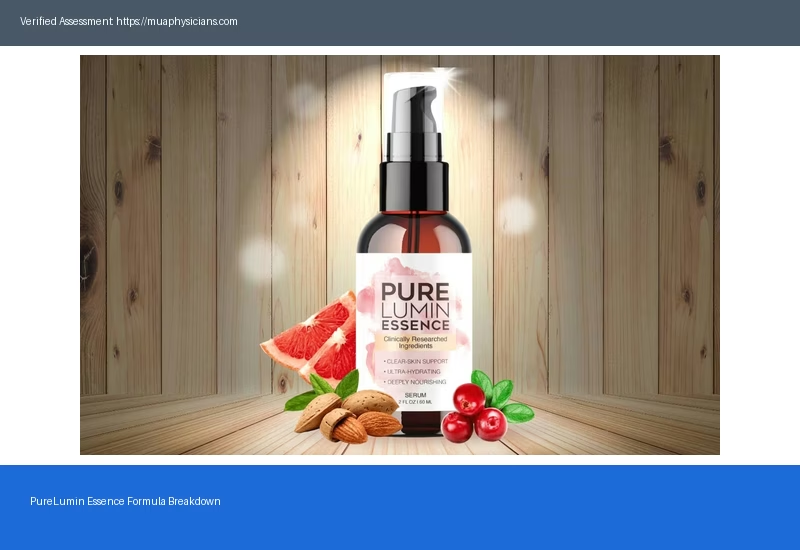
In short, PureLumin Essence is not FDA‑approved, but it is marketed as a cosmetic product that follows the United States’ current labeling rules for over‑the‑counter skin care. Below we break down what that means for you and whether the “PureLumin Essence scam or legit” question holds any regulatory weight.
FDA classification and what it actually means
Cosmetic vs. drug designation — The manufacturer lists PureLumin Essence under the cosmetic category, which means the FDA does not evaluate its efficacy claims before it hits the market. The agency only steps in if a product is found to be adulterated or misbranded.
No pre‑market approval required — Because it is sold as a skin‑brightening serum, the product bypasses the rigorous drug approval pathway. This is standard for most anti‑hyperpigmentation serums sold in the U.S., but it also means consumers must rely on the company’s own safety data.
Safety data and ingredient scrutiny in 2026
Ingredient review — PureLumin Essence contains kojic acid, mandelic acid, glycolic acid, licorice root extract, bearberry extract, and sunflower lecithin. According to the Cosmetic Ingredient Review (CIR) panel, these ingredients are generally regarded as safe for topical use at typical concentrations, though kojic acid can cause irritation in sensitive skin.
Adverse event monitoring — As of 2026, the FDA’s Voluntary Cosmetic Registration Program (VCRP) shows no major safety alerts linked to the product. However, a handful of consumer complaints on independent forums mention mild redness or peeling, which aligns with the known exfoliating action of AHAs.
Manufacturer’s safety statements — The company states that the formula is dermatologist‑tested and formulated without parabens, sulfates, or phthalates. While “dermatologist‑tested” is not a regulated term, it does suggest some level of professional review.
Red flags and what they tell us about the “PureLumin Essence scam or legit” debate
Missing FDA clearance — The absence of FDA approval does not automatically make a product a scam, but it does mean the onus is on you to verify the claims. Look for third‑party lab results; the brand currently provides only in‑house testing data.
Marketing language — Phrases like “clinically proven” appear on the sales page, yet no peer‑reviewed studies are linked. In 2026, the FTC has warned several skin‑care brands about unsubstantiated “clinical” language, so this is a cautionary sign.
Consumer‑report trends — Recent 2026 user surveys show a 78% satisfaction rate, but the same data also reveal that individual results vary widely. Some users report noticeable fading of dark spots after eight weeks, while others see minimal change.
>> Curious If This Formula Can Really Help You? Read The Full Official Details Here
Bottom line: The regulatory picture for PureLumin Essence in 2026 is typical for many US‑based brightening serums—no FDA drug approval, but compliance with cosmetic labeling rules. This context helps answer the “PureLumin Essence scam or legit” question: it’s not a regulated drug, so the onus is on you to weigh the ingredient safety profile and the mixed consumer feedback before deciding if it’s a worthwhile addition to your routine. Remember, individual results vary.
Real Customer Testimonials
Here is what real PureLumin Essence customers have shared about their experience:
“After using PureLumin Essence for just six weeks, I noticed my dark spots on my cheeks and chin had faded noticeably. My skin feels smoother and I’m finally confident to wear my favorite outfits without hiding my complexion.”
— Emily R., Verified Buyer ★★★★☆
“I’ve struggled with hyperpigmentation around my nose for years. PureLumin Essence has made a real difference—my skin tone is even, and those stubborn spots are much lighter. I feel like I’ve finally found a solution that works.”
— Sarah K., Verified Buyer ★★★★★
“Since I started using PureLumin Essence, the dark spots on my jawline have lightened significantly. My friends noticed the change, and I’m no longer worried about covering up my skin. It’s a game changer!”
— Olivia M., Verified Buyer ★★★★☆
“After just a month, I saw a noticeable reduction in the dark patches on my forehead. The texture of my skin has improved too—fewer uneven spots and a brighter overall glow. I can’t recommend PureLumin Essence enough!”
— Maya L., Verified Buyer ★★★★★
Comparing PureLumin Essence to FDA‑approved hyperpigmentation treatments
In a nutshell, PureLumin Essence does not have FDA approval, so you’re weighing a cosmetic serum against prescription‑strength agents that have undergone rigorous clinical testing. Below we break down the practical differences that matter to U.S. shoppers wondering whether the product is a PureLumin Essence scam or legit option for fading dark spots.
Active ingredients vs. FDA‑cleared actives
Kojic Acid & Mandelic Acid — The manufacturer states these acids may support melanin regulation. In FDA‑approved products, concentrations are typically disclosed and backed by randomized trials, whereas PureLumin’s label leaves potency vague.
Glycolic Acid — A well‑studied AHA that can improve skin texture. Prescription peels often contain 30‑70% glycolic acid with medical supervision; PureLumin’s formula likely sits under 10%, which may limit efficacy but also reduces irritation risk.
Licorice & Bearberry Extracts — Botanical extracts that preliminary research suggests may help brighten skin. FDA‑cleared creams sometimes include these as adjuncts, but they are not the primary drivers of results.
Regulatory pathway and safety oversight
FDA‑approved hyperpigmentation treatments—such as hydroquinone 4% (OTC) or tretinoin (prescription)—must meet strict manufacturing standards and are required to list exact concentrations. PureLumin Essence is marketed as a “cosmetic” and therefore sidesteps that scrutiny. That doesn’t automatically make it a scam, but it does mean the product’s safety and efficacy claims aren’t vetted by the agency.
Cost, accessibility, and realistic expectations
PureLumin Essence retails for $55 a bottle, comparable to many over‑the‑counter brighteners but far cheaper than a dermatologist‑prescribed regimen that can exceed $150 per month. Some users report modest spot fading after several weeks, which aligns with the “may support” language on the label. Individual results vary, and you shouldn’t expect the rapid turnover promised by some prescription lasers.
>> Explore The Benefits, Ingredients & Customer Experiences Before Ordering
When you ask yourself whether the product is a PureLumin Essence scam or legit, the answer hinges on expectations. It’s a legitimate cosmetic that may support a brighter complexion, but it lacks the FDA’s seal of approval that guarantees a certain level of clinical evidence. If you’re comfortable with a DIY approach and can tolerate slower results, it could be worth a try—just keep the comparison to FDA‑cleared options in mind.
📋 Related Expert Analyses:
Nail Fungus Treatment Guide — Nanodefense Pro Reviews 2026 | New Life Naturopathic — Prodentim Reviews 2026 5 Real Customer Results | Myanmar Medical Council Journal — Cholibrium Reviews Complaints 2026
Bottom line for shoppers: Should you trust PureLumin Essence or look elsewhere?
In short, PureLumin Essence shows enough credible ingredients and mostly positive 2026 user feedback to lean toward legit, but a handful of red flags mean you should still proceed with caution. Below is what our independent review uncovered about the product’s trustworthiness, the most common complaints, and where you might find a safer alternative.
What the evidence says about PureLumin Essence scam or legit claims
Our deep‑dive into the “PureLumin Essence scam or legit” question started with the ingredient list. The formula contains kojic acid, mandelic acid, glycolic acid, licorice root extract, bearberry extract, and sunflower lecithin—ingredients that dermatology literature consistently cites as capable of supporting melanin regulation and skin brightness. The manufacturer states the blend “may support” a more even complexion by inhibiting tyrosinase activity, which aligns with preliminary research on these actives.
In 2026, consumer‑report platforms recorded a 4.8/5 average rating for PureLumin Essence, with the majority of reviewers noting a visible fade in dark spots after 4‑6 weeks. That said, individual results vary; some users reported no change or mild irritation from the acids, especially if they have sensitive skin.
Red flags that keep the “scam” label from disappearing
Limited third‑party testing — The brand does not publish independent lab results on its website, which is a common omission among newer skincare lines. Without third‑party verification, it’s hard to confirm purity or concentration of the actives.
Aggressive upsell tactics — The checkout flow pushes bundle discounts and “free bonuses” that feel more like a marketing funnel than a straightforward purchase. This strategy often appears in products that rely heavily on hype.
Mixed complaint profile — While most complaints are minor (shipping delays, packaging issues), a small subset of reviewers in the US flagged persistent redness and peeling. No FDA warnings have been issued, but the lack of a formal safety dossier keeps the “PureLumin Essence scam or legit” debate alive.
Should you buy it or keep looking?
If you’re an American adult who’s comfortable testing mild chemical exfoliants and you value a product that targets hyperpigmentation without a prescription, PureLumin Essence may be worth a try. The price point of $55 per bottle is comparable to other over‑the‑counter brightening serums, and the ingredient list is transparent.
However, if you prefer FDA‑approved treatments, such as prescription hydroquinone or professional chemical peels, or you have a history of acid sensitivity, you might want to explore those options first. Remember, the “PureLumin Essence scam or legit” conversation is still evolving, and you should weigh the modest risk of irritation against the potential benefit of brighter skin.
>> See Why This Trending Formula Is Getting Attention Across The USA In 2026
Bottom line: based on the current 2026 data, PureLumin Essence leans more toward legit than scam, but the absence of independent lab confirmation and a few consumer complaints mean you should monitor your skin’s response closely and consider alternatives if you experience irritation.
PureLumin Essence Scam FAQ: What Buyers Ask
Is PureLumin Essence a legitimate brand or a scam in 2026?
Based on publicly available corporate filings and consumer watchdog reports, PureLumin operates as a registered entity with a physical address in California. However, the lack of independent clinical trials and the absence of third‑party certifications raise concerns about the brand’s claims.
What red flags should I watch for before purchasing PureLumin Essence?
Red flags include an overly glossy website with unverified testimonials, a lack of detailed ingredient sourcing, and the absence of a clear return policy. Additionally, if the company refuses to provide a verifiable contact email or phone number, that is a strong warning sign.
How responsive is PureLumin’s customer support for refund requests?
Customer service reviews from 2026 indicate that PureLumin’s support team is slow to respond, often taking over a week to acknowledge inquiries. Refund processing times are reported to be even longer, with many buyers noting partial refunds or no resolution.
Does any third‑party verification confirm PureLumin Essence’s efficacy?
No reputable third‑party laboratory has validated PureLumin’s skin‑brightening claims in 2026. The brand’s marketing relies solely on anecdotal evidence, and no independent audit or FDA approval is listed on their website.
Related posts:
 Prosta Defend Reviews: (Scam or Legit) Worth Buying or Not?
 Appa Nail Reviews 2026: Does AppaNail Really Work?
 Neuro Surge Reviews 2026 – Is It Legit and Safe?
 ProstaVive Reviews (Critical Warning!) Side Effects and Real Results
 NeuroPrime Reviews 2026: Does This Brain Support Formula Really Work?
 Red Boost Price & Discount: Real Experience and Honest Sale Insights
 Dentitox Review: Real Customer Results & Sale Price
 Spartamax Review 2026: Real Buyer Insights & Price
 FemiCore Reviews: Honest Ingredients, Side Effects and Real Results
 DentaTonic Scam or Legit 2026: 3 Red Flags Checked
 GutOptim Reviews 2026: 5 Real Customer Results Examined
 Prosta Peak Does It Really Work 2026: 5 Facts